What are the best pressure cookers right now?
Our top pick is the Instant Pot Duo 7-in-1 Electric Pressure Cooker 6-Quart (best overall), because 14 one-touch programs covering soup, beans, meat, rice, steam, slow cook, and yogurt. The runner-up is the Fissler Vitaquick Pressure Cooker 6.3-Quart (best stovetop), followed by the All American 921 21.5-Quart Pressure Cooker/Canner.
What is the best budget option among pressure cookers?
Our best-value pick is the T-fal Clipso Stovetop Pressure Cooker 6.3-Quart: one-hand lid open and close, the most convenient lid system in stovetop pressure cookers. Check the current price on Amazon, since deals change often.
Which of the pressure cookers should I buy?
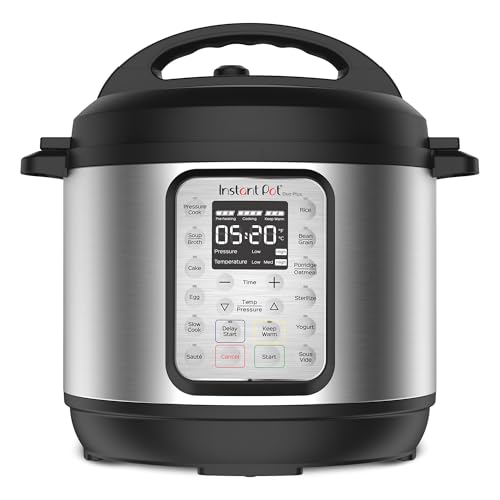
It depends on what matters most to you. For overall, choose the Instant Pot Duo 7-in-1 Electric Pressure Cooker 6-Quart. For stovetop, choose the Fissler Vitaquick Pressure Cooker 6.3-Quart. For canner, choose the All American 921 21.5-Quart Pressure Cooker/Canner. For instant plus, choose the Instant Pot Duo Plus 9-in-1 Electric Pressure Cooker.
Is the Instant Pot Duo 7-in-1 Electric Pressure Cooker 6-Quart worth it?
For most buyers, yes. It ranks #1 in our pressure cookers research, though reaches only 10 to 12 PSI vs. stovetop 15 PSI, slightly longer cook times.
What is the difference between a stovetop and an electric pressure cooker?
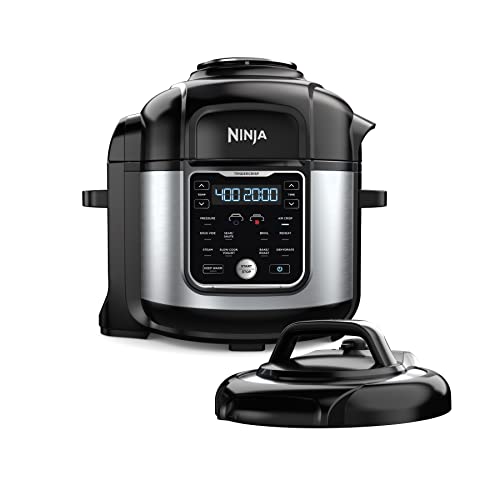
Stovetop pressure cookers (Fissler, Kuhn Rikon, All American) reach 15 PSI, the maximum standard pressure, and cook at higher temperatures than most electric models. Faster cooking times, better searing capability, lighter weight, simpler construction, and longer lifespan. Electric pressure cookers (Instant Pot, Ninja Foodi) reach 10 to 12 PSI, are fully automated with programmable presets, keep-warm functions, and timers, and require no stovetop monitoring. For the best cooking results: stovetop. For convenience and automation: electric. Most households with a full stovetop arsenal benefit more from an electric model because it is a hands-off second cooking method, not a replacement for their existing pots.
Are pressure cookers safe?
Modern pressure cookers are equipped with multiple redundant safety mechanisms: a primary pressure release valve, a secondary pressure release valve, a locking lid that cannot open under pressure, and in electric models, automatic pressure regulation. Stovetop models from reputable brands (Fissler, Kuhn Rikon, All American) have decades of proven safety records. Electric models (Instant Pot) have sold over 20 million units with an excellent safety record. The pressure cooker explosion incidents in popular culture are predominantly from pre-1970s models without modern safety systems. Follow the operating instructions (do not fill past the fill line, always use the pressure release valve before opening), and modern pressure cookers present no meaningful safety risk.
How much time does a pressure cooker actually save?
Dried beans: 6 to 8 hours soaked + 1 to 1.5 hours simmered → 25 to 35 minutes unsoaked in a pressure cooker. Beef chuck roast (pot roast): 3 to 4 hours in an oven → 60 to 75 minutes under pressure. Chicken stock: 4 to 6 hours simmered → 45 minutes under pressure. Risotto: 25 minutes of constant stirring → 7 minutes under pressure. Short ribs: 3 to 4 hour braise → 45 to 55 minutes under pressure. The time savings are proportionally largest for the foods that take the longest conventionally, tough cuts, legumes, and stocks.