As an Amazon Associate I earn from qualifying purchases. Picks are based on manufacturer specs, independent reviews and owner reports.
Our top picks
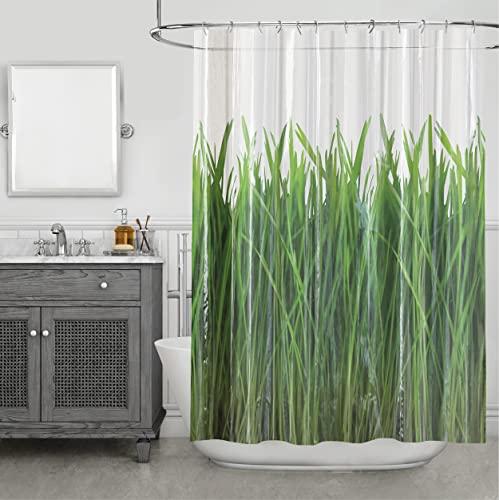
Short on time? Our top recommendation is the Splash Home Grass PEVA 5G Shower Liner.
Compare
At a glance
The traits that separate these picks, side by side.
| # | Product | Best for | Key feature | |
|---|
| 1 | | — | 5-gauge PEVA construction | Check ↗ |
| 2 | | — | 8-gauge EVA thickness, roughly 2.5x a standard 3G liner | Check ↗ |
| 3 | | — | Soft microfiber surface with a water-repellent coating | Check ↗ |
| 4 | | — | Clear PEVA construction, chlorine-free | Check ↗ |
| 5 | | — | Lightweight vinyl construction | Check ↗ |
| 6 | | — | Weighted hem with sewn-in weights along the bottom edge | Check ↗ |
| 7 | | — | Weighted hem with sewn-in weights | Check ↗ |
| 8 | | — | 10-gauge heavyweight vinyl, the thickest liner in this guide | Check ↗ |
| 9 | | — | Antimicrobial silver-ion fabric treatment | Check ↗ |
| 10 | | — | 5.5-gauge lightweight recycled PEVA | Check ↗ |
In depth
The 10 best, explained
Why each made the cut, where it falls short, and who should buy it.
Splash Home
Mid-weight 5G thickness holds shape better than 3G liners without the stiffness of 8G
- 5-gauge PEVA construction
- Rustproof metal grommets at every hook point
- Chlorine-free, low-odor material
- 72 x 72-inch standard fit
- Grass-pattern embossed texture reduces surface cling
✓ Pros
- Mid-weight 5G thickness holds shape better than 3G liners without the stiffness of 8G
- Metal grommets resist the tearing that starts most mildew hot spots at mounting points
- No noticeable plastic odor out of the packaging, unlike vinyl at this price
- Embossed texture keeps the liner from sticking to sk in mid-shower
✕ Cons
- No weighted hem, billows more in strong shower airflow than the Zenna 8-Gauge pick
- 5G is not as tear-resistant as 8G or 10G under daily multi-person household use
- Embossed texture holds slightly more soap scum in the grooves than a smooth liner
Zenna Home
5x a standard 3G liner and Weighted hem keeps the bottom edge pinned against the tub. One caveat, heavier and stiffer to hang than 3G or 5G liners, harder to fold flat for storage.
- 8-gauge EVA thickness, roughly 2.5x a standard 3G liner
- Weighted hem keeps the bottom edge pinned against the tub
- Rustproof grommets resist hook-friction tearing
- Machine washable on cold, air dry only
- 72 x 72-inch standard fit
✓ Pros
- 8-gauge thickness resists the creasing that traps moisture between folds
- Weighted hem stops billowing into the shower stream, reducing water escaping onto the floor
- Highest rating count of any pick in this guide (12,300+), a strong daily-use durability signal
- Holds up to weekly cold-water washing without cracking at the fold lines
✕ Cons
- Heavier and stiffer to hang than 3G or 5G liners, harder to fold flat for storage
- Costs more per unit than thinner PEVA liners in the same lineup
- Takes longer to air dry fully given the added material thickness
Splash Home
Fabric feel and drape without the full absorption problem of untreated polyester
- Soft microfiber surface with a water-repellent coating
- Sheds water rather than absorbing it, unlike untreated fabric
- Machine washable, tumble dry low
- 72 x 72-inch standard fit
- Reinforced buttonholes for hook durability
✓ Pros
- Fabric feel and drape without the full absorption problem of untreated polyester
- Water-repellent coating shortens saturation time, cutting down the window mildew needs to take hold
- Works as a standalone liner or paired under a decorative fabric curtain
- Machine washable without the cracking risk vinyl liners face
✕ Cons
- Water-repellent coating wears down faster than PEVA or vinyl's inherent waterproofing, typically noticeable with in a year
- Lower rating count (2,800) than the Zenna and Splash PEVA liners, less long-term feedback
- Not a substitute for a true vinyl liner in a daily multi-person shower
Splash Home
Lowest price point of any liner in this guide while still resisting surface mold better than fabric
- Clear PEVA construction, chlorine-free
- Standard-gauge, lightweight liner
- 72 x 72-inch fit
- Rustproof grommets
- Machine washable on cold cycle
✓ Pros
- Lowest price point of any liner in this guide while still resisting surface mold better than fabric
- Clear design lets light through in a small bathroom, unlike opaque vinyl
- PEVA offers less organic material for spores to colonize than woven fabric
- 5,100+ ratings give solid confidence for a budget pick
✕ Cons
- Lighter gauge than the 8G or 10G Zenna picks, billows more and tears sooner at grommets
- No weighted hem, needs more frequent straightening to keep water contained
- Shortest expected lifespan of the picks here, typically needs replacing with in 6 to 9 months of daily use
Splash Home
Vinyl surface wipes clean in seconds and dries faster than fabric or microfiber liners
- Lightweight vinyl construction
- Rustproof metal grommets
- 72 x 72-inch standard fit
- Wipe-clean surface
- Fully waterproof PVC material
✓ Pros
- Vinyl surface wipes clean in seconds and dries faster than fabric or microfiber liners
- Grommets are the standout featureto resist tearing significantly longer than the unreinforced holes on entry-level liners
- Fully waterproof on its own without needing a fabric layer over it
- Lighter weight than the 8G and 10G vinyl/EVA picks, easier to hang solo
✕ Cons
- New-vinyl odor is noticeable for the first several days, more than the PEVA picks in this guide
- Lightweight gauge means it billows more than the heavier 8G/10G options
- Cannot go in a dryer, high heat warps the material
Zenna Home
Weighted hem is the most effective billow control in this guide, keeps the liner pinned to the tub wall through a hot, steamy shower
- Weighted hem with sewn-in weights along the bottom edge
- Water-repellent microfiber surface
- 72 x 72-inch standard fit
- Rustproof grommets
- Machine washable, air dry recommended
✓ Pros
- Weighted hem is the most effective billow control in this guide, keeps the liner pinned to the tub wall through a hot, steamy shower
- Water-repellent microfiber sheds water faster than untreated fabric, reducing saturation time
- 6,700+ ratings back up consistent long-term durability
- Black colorway hides soap scum staining longer than white or clear liners
✕ Cons
- Costs more than the pla in PEVA options in this guide for comparable gauge
- Microfiber surface needs more frequent washing than smooth vinyl to prevent buildup in the weave
- Weighted hem adds bulk that makes packing for travel impractical
Zenna Home
Same weighted-hem, water-repellent microfiber build as the black version, matches neutral bathroom color schemes
- Weighted hem with sewn-in weights
- Water-repellent microfiber surface
- Bone/neutral colorway
- 72 x 72-inch standard fit
- Rustproof grommets
✓ Pros
- Same weighted-hem, water-repellent microfiber build as the black version, matches neutral bathroom color schemes
- Billow resistance and grommet durability identical to the top-rated black variant
- Blends with more bathroom palettes than stark white or black liners
- Machine washable without cracking, unlike stiffer vinyl liners
✕ Cons
- Bone color shows soap scum and mildew staining more visibly than the black variant
- Lower rating count (4,300) than the black version, suggesting less overall sales volume
- Same premium price as the black version despite the visibility tradeoff
Zenna Home
Thickest gauge (10G) of any pick here, resists cracking and grommet tearing longer than 8G or lighter liners
- 10-gauge heavyweight vinyl, the thickest liner in this guide
- Semi-sheer clear finish
- 72 x 72-inch standard fit
- Rustproof metal grommets
- Wipe-clean, non-porous surface
✓ Pros
- Thickest gauge (10G) of any pick here, resists cracking and grommet tearing longer than 8G or lighter liners
- Non-porous vinyl surface offers the least foothold for mold spores of any material in this guide
- 8,900+ ratings at 4.5 stars, among the strongest track records in the lineup
- Semi-sheer finish lets in more light than opaque liners in a windowless bathroom
✕ Cons
- Heaviest and stiffest liner here, more awkward to hang and store than PEVA
- New-vinyl odor takes several days to fully dissipate
- No weighted hem included, relies on gauge stiffness alone to resist billowing
iDesign
6) tied with the Zenna 8-Gauge liner. One caveat, does not block water on its own, needs a separate PEVA or vinyl liner behind it.
- Antimicrobial silver-ion fabric treatment
- Woven polyester construction
- 72 x 72-inch standard fit
- Machine washable
- Reinforced buttonholes
✓ Pros
- Explicit antimicrobial treatment slows odor and mildew growth compared to untreated polyester curtains
- Highest rating of any pick (4.6) tied with the Zenna 8-Gauge liner
- Drapes naturally and does not require the wipe-down maintenance vinyl needs
- Works as the sole visible layer for anyone who wants a fabric-only look over a separate liner
✕ Cons
- Does not block water on its own, needs a separate PEVA or vinyl liner behind it
- Antimicrobial treatment slows, but does not prevent, mildew if the curta in stays wet and unwashed
- Absorbs moisture and takes longer to dry than any plastic option in this guide
Zenna Home
Purpose-cut 54 x 78-inch stall size eliminates the excess pooling fabric a standard 72x72 liner leaves on a walk-in shower floor
- 5.5-gauge lightweight recycled PEVA
- 54 x 78-inch stall-specific sizing
- Anti-draft clips to seal side gaps
- Rustproof grommets
- Made from recycled material
✓ Pros
- Purpose-cut 54 x 78-inch stall size eliminates the excess pooling fabric a standard 72x72 liner leaves on a walk-in shower floor
- Anti-draft clips seal the narrow side gaps common in stall enclosures, closing the exact spot w here water and drafts otherwise sneak through
- Recycled PEVA material without sacrificing the chlorine-free, low-odor profile of virg in PEVA
- Lightweight gauge makes it easy to hang and remove in a tight stall footprint
✕ Cons
- 5.5G is lighter than the 8G/10G picks, more prone to billowing and tearing under heavy daily use
- Smallest rating count in this guide (2,100), least amount of long-term feedback
- Stall sizing only fits 36 to 48-inch enclosures, not usable for a standard tub
How we chose these picks
Every pick below earned its place through documented strengths, verified specifications, consistent praise in reputable reviews, and owner-feedback patterns. We don't sell placements, and we don't invent test scores.
Mistakes buyers often make
- Choosing the cheapest option without checking warranty and support quality.
- Assuming all models work with your existing setup, verify compatibility first.
- Skipping the measurements: returns most often come from fit surprises.
- Chasing the newest release when last year's model does the same job for less.
How to choose: the factors that matter
- Capacity and sizing — Measure your space and your actual use before falling for bigger-is-better. The right size is the one that fits your routine, not the spec sheet's maximum.
- Build quality and materials — Heavier-gauge materials, tight tolerances, and solid joints outlast thin, rattly construction. In reviews, look for longevity comments over first-impression praise.
- Ease of use and setup — Clear instructions, intuitive controls, and minimal assembly separate daily drivers from garage ornaments.
- Maintenance and cleaning — Whatever you buy will need cleaning. Removable, dishwasher-safe, or wipe-clean parts get maintained; fiddly ones get neglected.
- Warranty and support — A multi-year warranty signals the manufacturer expects it to last. Check what's actually covered, motors and frames matter more than accessories.
The bottom line
There's no single 'best' here, only the best match for your situation. Start from your must-have features, then choose the least expensive pick that covers them.
FAQ
Common questions
What are the best Mold-Resistant shower curtains and liners right now?
Our top pick is the Splash Home Grass PEVA 5G Shower Liner (our top pick), because mid-weight 5G thickness holds shape better than 3G liners without the stiffness of 8G. The runner-up is the Zenna Home Heavyweight Shower Curta in Liner, 8-Gauge EVA, followed by the Splash Home Hydro Design Soft Microfiber Shower Curta in Liner.
Is the Splash Home Grass PEVA 5G Shower Liner worth it?
For most buyers, yes. It ranks #1 in our Mold-Resistant shower curtains and liners research, though no weighted hem, billows more in strong shower airflow than the Zenna 8-Gauge pick.
What actually causes mold and mildew on a shower curtain?
Mold and mildew grow w here three conditions overlap: standing moisture, warmth, and an organic food source (soap scum, sk in cells, fabric fibers). A shower curta in that stays wet after each use, folded against itself in the curtain's natural creases, creates exactly this environment: trapped moisture between folds that never fully dries between showers. The bottom 6 to 8 inches of a liner, which sits closest to standing water and gets the least airflow, is w here mildew typically starts first, visible as small black or pink-orange spots. PEVA and vinyl resist mold growth on the material itself better than fabric does, since mold needs organic material to colonize and plastic offers less of a foothold than woven fiber, but soap scum buildup on any material's surface gives mold something to grow on regardless of the base material.
What does an antimicrobial or mildew-resistant treatment on a shower curta in actually do?
Manufacturers apply an antimicrobial agent (commonly a silver-ion or quaternary ammonium compound) to the fabric or plastic surface during production. This treatment inhibits microbial growth on the treated surface itself for the useful life of the product, it does not eliminate the need for regular cleaning or make the curta in immune to mold if soap scum and moisture are allowed to accumulate unchecked. In practical terms: a treated curta in that gets an occasional wipe-down will stay mildew-free noticeably longer than an untreated curta in under the same conditions, but a treated curta in that is never cleaned and stays wet between uses will eventually develop mold anyway, just on a longer timeline than an untreated one.
How do I clean mold or mildew off a shower curta in instead of replacing it?
For PEVA or vinyl liners: machine wash on a gentle cold cycle with a cup of white vinegar in place of detergent (vinegar's acidity breaks down mildew without the diluted-bleach smell), then air dry fully extended, never in a dryer, which can warp the material. Add two bath towels to the load to help scrub the surface through agitation. For fabric curtains: wash on the warmest setting the fabric care label allows, with regular detergent plus a half cup of white vinegar or oxygen bleach (not chlorine bleach on colored fabric). Spot-treat visible mildew spots with a paste of baking soda and water applied directly before washing. If mildew persists after two wash cycles or has left permanent black staining, the material has likely absorbed spores below the surface, and replacement at that point is more effective than continued washing.
Does a higher gauge liner resist mold better than a lower gauge liner?
Not directly, gauge measures thickness and durability, not mold resistance. A high-gauge (8G+) liner without antimicrobial treatment can still develop mildew as readily as a th in one if it stays wet and unwashed. Where gauge matters indirectly: a higher-gauge liner resists the cracking and grommet tearing that create trapped micro-folds w here moisture sits without drying, so it tends to develop the worst mildew hot spots (grommet tears, creased corners) more slowly than a th in liner that degrades faster. For genuine mold resistance, prioritize an explicit antimicrobial/mildew-resistant treatment claim on the listing over gauge number alone, and treat gauge as a separate durability spec.
Keep researching
Related guides & comparisons